
Where Do I Start?
Understanding the Basics of an Effective Skincare Routine
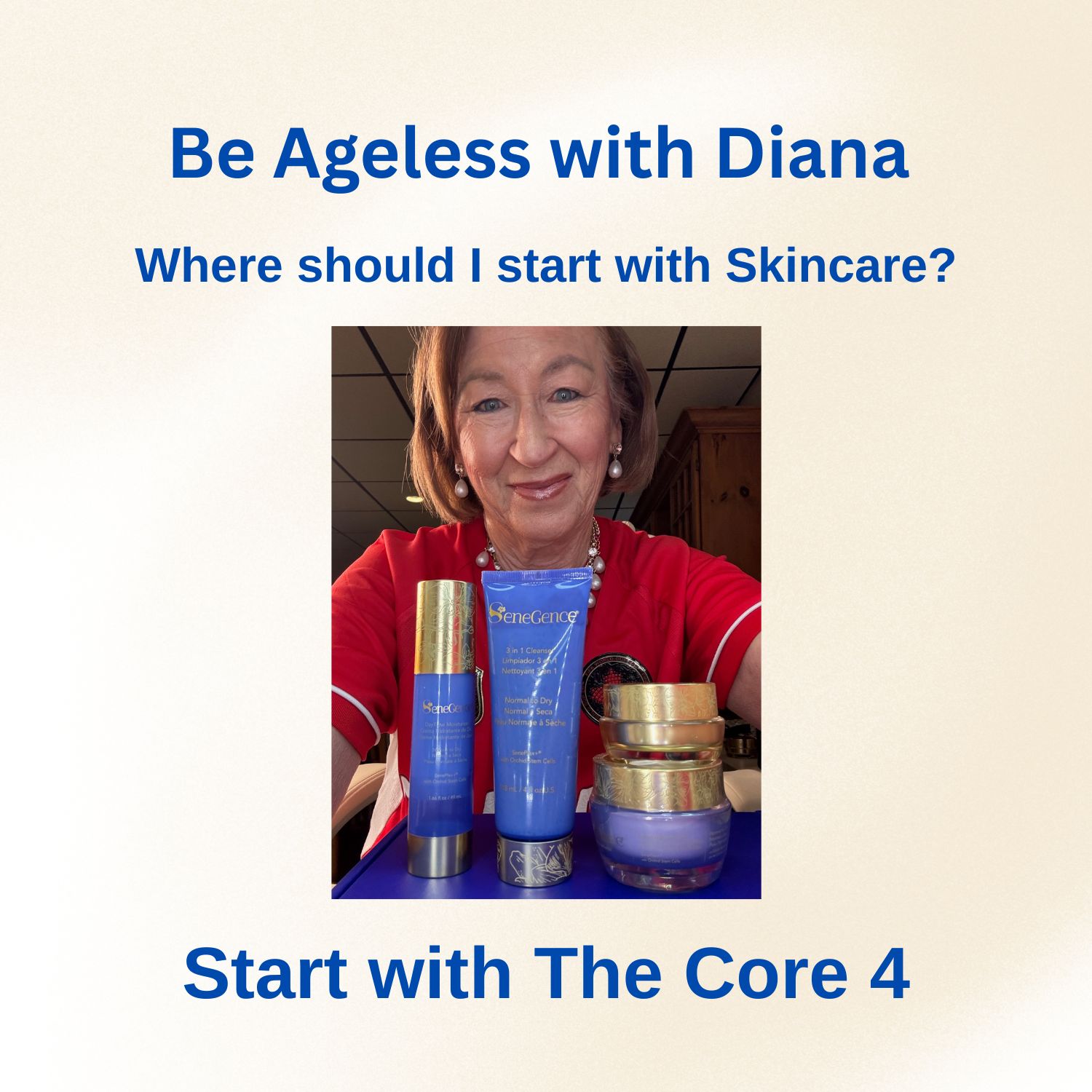
One of the questions I hear most often is:
“Diana, where do I start?”
With so many skincare products available today, it’s easy to feel overwhelmed. Cleansers, moisturizers, serums, treatments, eye creams; the choices seem endless.
The good news is that great skincare doesn’t have to be complicated.
In fact, I always recommend starting with a solid foundation before adding anything else.
The Core 4: The Foundation of Healthy Looking Skin
Think of your skincare routine like building a house. Before you add the beautiful finishing touches, you need a strong foundation.
That’s where the Core 4 comes in:
1. Cleanser
Your cleanser removes dirt, makeup, oil, and impurities while preparing your skin for the rest of your routine.
Choosing the right cleanser for your skin type is important because cleansing is the first step in supporting healthy-looking skin.
2. Daytime Moisturizer
Your daytime moisturizer helps hydrate and protect your skin throughout the day.
It creates a comfortable, smooth canvas while helping your skin maintain moisture.
3. Evening Moisturizer
Nighttime is when your skin focuses on repair and renewal.
An evening moisturizer supports your skin while you sleep and helps replenish moisture lost throughout the day.
4. Eye Crème
The skin around the eyes is thinner and more delicate than the rest of the face.
That’s why it deserves special attention. A dedicated eye crème helps support the appearance of the eye area and keeps it looking refreshed and hydrated.
What Is the Difference Between a Serum, a Treatment, and a Moisturizer?
This is another question I hear all the time.
Many people use these terms interchangeably, but they each serve a different purpose.
Moisturizers
Think of moisturizers as your daily essentials.
Their primary job is to help hydrate the skin and support the skin’s moisture barrier.
Every skincare routine should include a moisturizer.
Serums
Serums are designed to deliver targeted ingredients to address specific concerns.
Examples may include concerns such as:
- Dull-looking skin
- Uneven skin tone
- Fine lines and wrinkles
- Loss of radiance
Serums are typically applied after cleansing and before moisturizing.
Treatments
Treatments focus on a particular skincare concern and are often used to complement your core routine.
Examples might include concerns such as:
- Dehydrated skin
- Skin barrier support
- Firmness
- Neck care
- Lip lines
Treatments work alongside your Core 4 to provide additional support where your skin needs it most.
Start Simple, Then Customize
One mistake many people make is trying to solve every skincare concern at once.
I always recommend building your foundation first.
Start with:
✔ Cleanser
✔ Daytime Moisturizer
✔ Evening Moisturizer
✔ Eye Crème
Once you have those basics in place, you can begin adding serums and treatments based on your individual concerns.
Everyone’s Skin Is Different
What works beautifully for one person may not be the best choice for another.
That’s why understanding your skin type and concerns is so important.
Before recommending products, I like to learn more about your skin, your goals, and your current routine.
Not Sure Where to Start?
I’ve created a simple skincare survey designed to help identify your skin concerns and provide guidance on where you may want to begin.
Whether your concern is dryness, dehydration, fine lines, sensitivity, dullness, or something else entirely, the survey helps point you in the right direction.
Remember, skincare isn’t about perfection.
It’s about creating a routine that supports healthy looking skin and helps you feel confident in your own skin.
And the best routine is the one you’ll actually use consistently.
Because beautiful skin starts with simple daily habits.
Ready to take the guesswork out of skincare? Discover your skin type and receive personalized skincare recommendations based on your unique concerns and goals.
Leave a Reply